How does Potassium Methyl Silicate achieve wide application in the field of building material waterproofing with its unique properties?
Basic information of Potassium Methyl Silicate
1. Chemical composition and generation
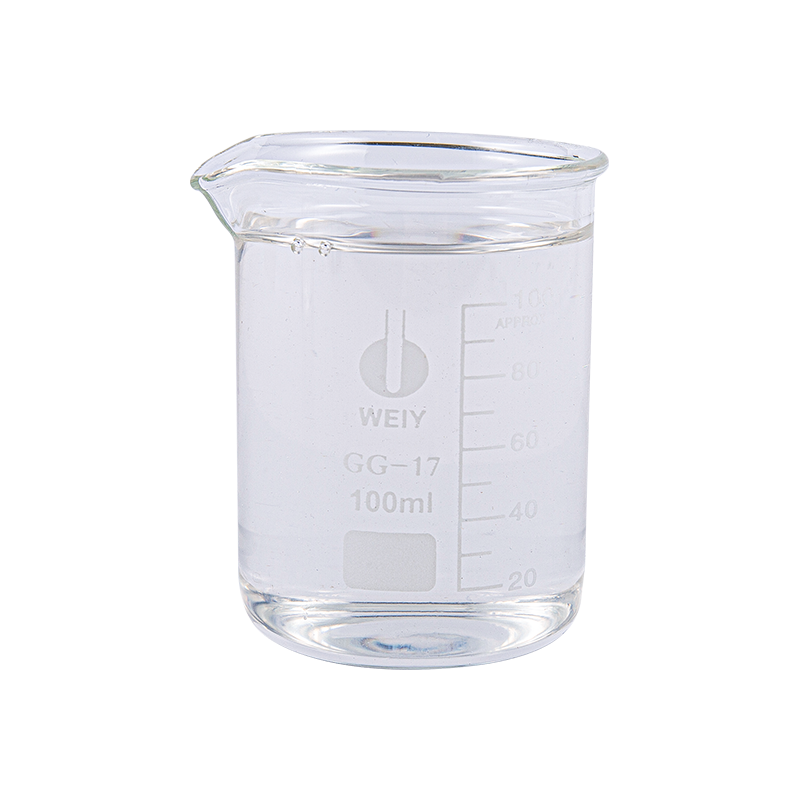
The generation of Potassium Methyl Silicate is based on a rigorous chemical reaction process. It is produced by the neutralization reaction of potassium hydroxide and methyl silicic acid under specific temperature and ratio conditions. The general reaction temperature is controlled at 60-80℃, and the molar ratio of the two is about 1:1.2 - 1:1.5. In professional reactor equipment, through precise stirring and temperature control, after several hours of reaction, a stable alkaline aqueous solution is finally formed. The pH value of this aqueous solution is usually maintained between 10-12. Its alkaline characteristics are not only a reflection of the chemical properties, but also lay the foundation for the subsequent interaction with building materials. The alkaline environment can promote the reaction of potassium methyl silicate with the hydroxyl groups on the surface of the material, thereby ensuring the realization of the waterproof function.
2. Waterproof principle
When potassium methyl silicate is sprayed or brushed on the surface of building materials, the methyl silanol in it will quickly penetrate into the material with the advantage of its small molecular structure. Take concrete as an example. There are a large number of interconnected pore structures inside concrete. Methylsilanol will penetrate along these pore channels and undergo condensation reactions with hydroxyl groups on the surface and inside the material during the penetration process. Each condensation reaction is a molecular connection. As the reaction continues, a three-dimensional mesh silicone resin membrane is gradually constructed. According to professional testing, the thickness of this membrane is usually between 10 and 50 nanometers. Although it is only a few molecules thick, it can form a dense waterproof barrier. Compared with the diameter of water molecules of about 0.3 nanometers, the structure of the membrane is sufficient to effectively block the passage of water molecules without affecting the air permeability of the material, providing long-lasting and efficient waterproof protection for building materials.
Excellent performance of potassium methyl silicate
1. Waterproof, moisture-proof and anti-seepage
Waterproof
In actual construction applications, the waterproof effect of potassium methyl silicate has been tested in a large number of engineering practices. The waterproof membrane formed by potassium methyl silicate can withstand long-term rain immersion and water pressure, effectively preventing moisture from penetrating into the interior of the building structure, thereby extending the service life of the building and reducing maintenance costs.
Moisture-proof
In the coastal areas of southern my country, the annual average relative humidity is as high as 80% or more, and ordinary building materials are very susceptible to moisture. Take gypsum board as an example. In a humid environment, the water absorption rate of untreated gypsum board can increase by 20% - 30% in just one month, causing deformation and strength loss of the board. After surface treatment with potassium methyl silicate, its water absorption rate can be reduced to less than 5%. This is because the waterproof film formed by potassium methyl silicate isolates moisture, allowing building materials to remain dry in a high humidity environment, avoiding problems such as mold and rot caused by moisture, and maintaining the good performance of the material.
Anti-seepage
For water storage facilities in the industrial field, such as the regulating tank of a large sewage treatment plant, the tank body is soaked in sewage for a long time, and the requirements for anti-seepage are extremely high. In the actual operation process, even in the face of the erosion of complex chemicals in the sewage, the regulating tank did not leak, effectively ensuring the stable operation of the sewage treatment system, while avoiding the pollution of surrounding soil and groundwater by sewage leakage.
2. Rust prevention, anti-aging and anti-pollution
Rust prevention
In reinforced concrete structures, steel corrosion is an important factor threatening building safety. Taking cross-sea bridges as an example, chloride ions in the marine environment will accelerate the corrosion of steel bars. Studies have shown that reinforced concrete structures without protective measures can have a steel corrosion rate of 15%-20% after serving in the marine environment for 10 years, seriously affecting the safety of bridge structures. After adding potassium methyl silicate to reinforced concrete, the waterproof film formed can isolate chloride ions, oxygen and moisture from contact with steel bars. According to tests, reinforced concrete protected by potassium methyl silicate can control the steel corrosion rate within 3% after serving in the same marine environment for 10 years, greatly improving the durability and safety of reinforced concrete structures.
Anti-aging
Building materials are exposed to the natural environment for a long time and will age due to factors such as ultraviolet rays and temperature changes. Taking concrete pavement exposed outdoors as an example, after 5 years of sunlight exposure and temperature changes in four seasons, ordinary concrete pavement will have a large number of cracks on the surface and its strength will drop by about 20%. The concrete pavement treated with a protective agent containing potassium methyl silicate has a surface crack count reduction of more than 70% after 5 years, and a strength reduction of only about 5%. This is because the waterproof membrane formed by potassium methyl silicate has good UV resistance and flexibility, can effectively resist UV damage, buffer the stress caused by temperature changes, and thus maintain the good physical and chemical properties of building materials.
Anti-pollution
In the decoration of urban building exterior walls, building materials are easily contaminated by stains such as dust and oil. Taking ordinary exterior wall paint as an example, after one year of use, the wall surface will become gray due to the adhesion of stains, and it is difficult to clean. However, the exterior wall paint with potassium methyl silicate has a low surface energy on the surface of the waterproof membrane, and the adhesion of stains to the wall is greatly reduced. According to tests, the adhesion strength of the same stain on the wall is only 1/3 of that on the ordinary wall. When cleaning, you only need to rinse with clean water or simply wipe it to restore the wall to cleanliness, which greatly reduces the cleaning and maintenance costs of the building exterior wall, while keeping the building appearance neat and beautiful.
Wide Application of Potassium Methyl Silicate
1. Cement Mortar
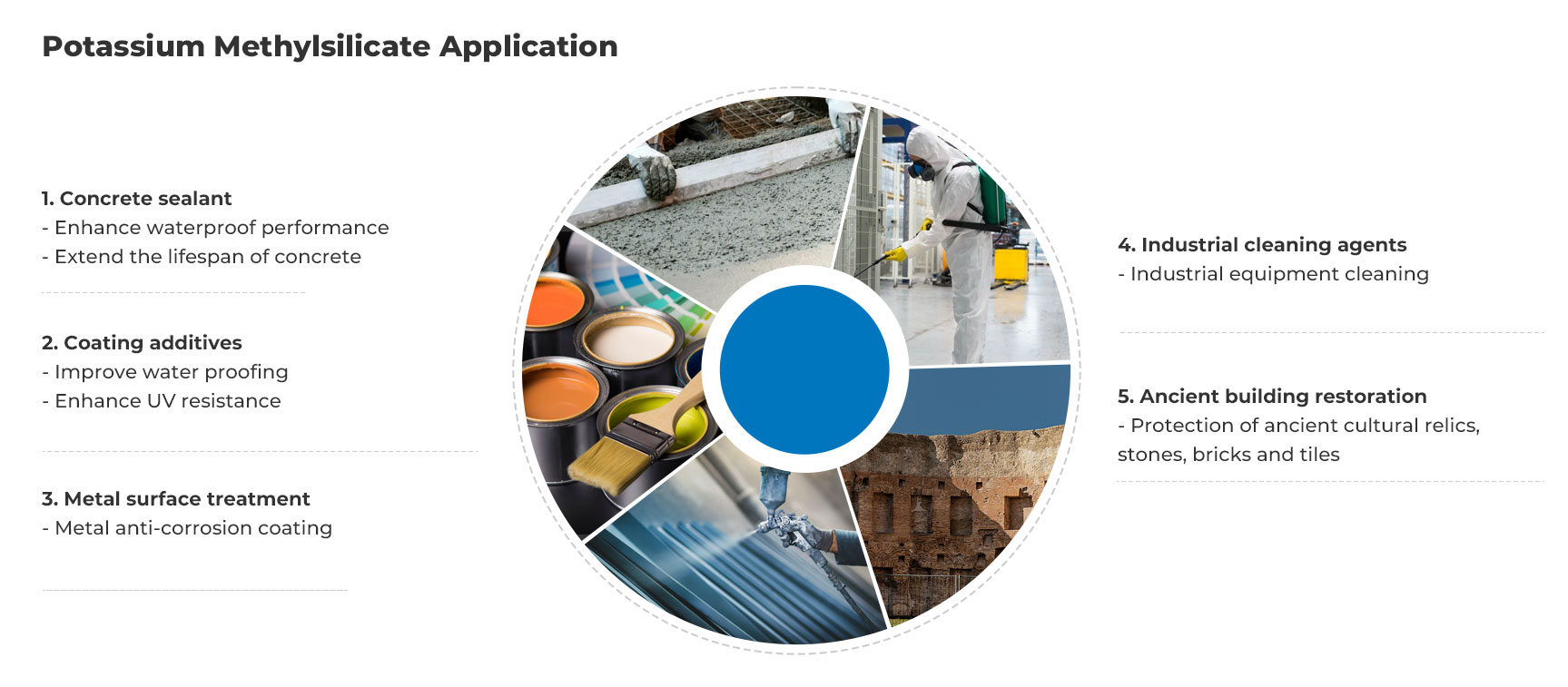
In construction, cement mortar is one of the most commonly used building materials. When building walls, ordinary cement mortar has a high water absorption rate, and rainwater can easily penetrate through the wall, affecting the thermal insulation performance and indoor environment of the building. When potassium methyl silicate is added to cement mortar, its water absorption rate can be reduced by 40% - 50%. Taking a six-story brick-concrete residential building as an example, cement mortar with potassium methyl silicate added was used to build the wall. After a rainy season, there was no sign of water seepage on the indoor wall, which effectively ensured the stability of the building structure and the comfort of living. Due to the improvement of waterproof performance, the strength loss of cement mortar caused by long-term water erosion is also reduced, extending the service life of the building.
2. Gypsum material
Gypsum products are widely used in the field of interior decoration due to their advantages such as light weight, fire resistance, and sound insulation, but the disadvantage of poor water resistance of gypsum materials limits its further development. The composite treatment of potassium methyl silicate and gypsum can significantly improve the water resistance of gypsum. This allows gypsum products to be used stably in humid environments such as kitchens and bathrooms, expanding the application range of gypsum materials in the field of interior decoration, such as waterproof gypsum ceilings and waterproof gypsum partitions.
3. Perlite
Perlite is a lightweight and porous thermal insulation material, but its waterproof performance is poor and it easily absorbs water in a humid environment, resulting in a decrease in thermal insulation performance. Treating perlite with potassium methyl silicate solution by soaking or spraying can form a waterproof film on its surface. The water absorption rate of the treated perlite is reduced from the original 150% - 200% to 30% - 50%, while its thermal conductivity remains basically unchanged. This waterproof perlite can be widely used in roof insulation, wall insulation and other fields. Even in rainy areas or environments with high humidity, it can maintain good thermal insulation performance and improve the energy-saving effect of buildings.
4. Reinforced concrete
In reinforced concrete structures such as large bridges and high-rise buildings, the rust-proof and waterproof functions of potassium methyl silicate play a key role. , its underground foundation part uses concrete admixtures containing potassium methyl silicate. During the construction process, by precisely controlling the dosage of potassium methyl silicate (generally 1% - 2% of the mass of the cementitious material), a dense waterproof structure is formed inside the concrete, effectively isolating the corrosion of the steel bars by groundwater. Five years after the building was put into use, it was found that the steel bars in the reinforced concrete structure had no rust, and the strength and durability of the concrete structure were effectively guaranteed, laying a solid foundation for the long-term safe use of the building.
5. Waterproof coating
In building waterproofing projects, waterproof coating is one of the important waterproof materials. Adding potassium methyl silicate to waterproof coating can significantly improve the waterproof performance and protective function of the coating. The elongation at break of ordinary waterproof coatings is generally 200% - 300%, while after adding potassium methyl silicate, the elongation at break of waterproof coatings can be increased to 400% - 500%, and its water resistance and weather resistance are also greatly improved.
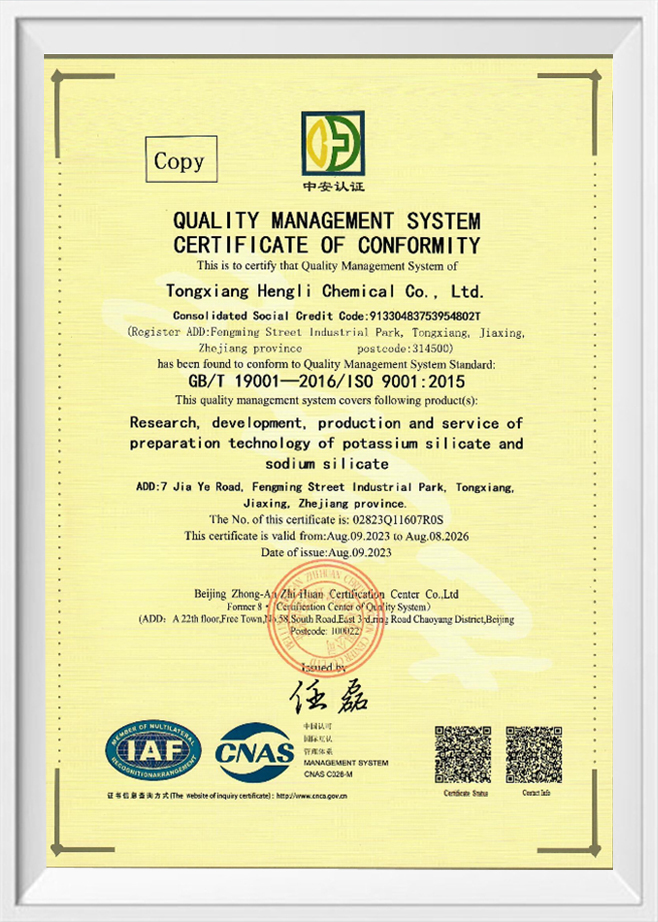
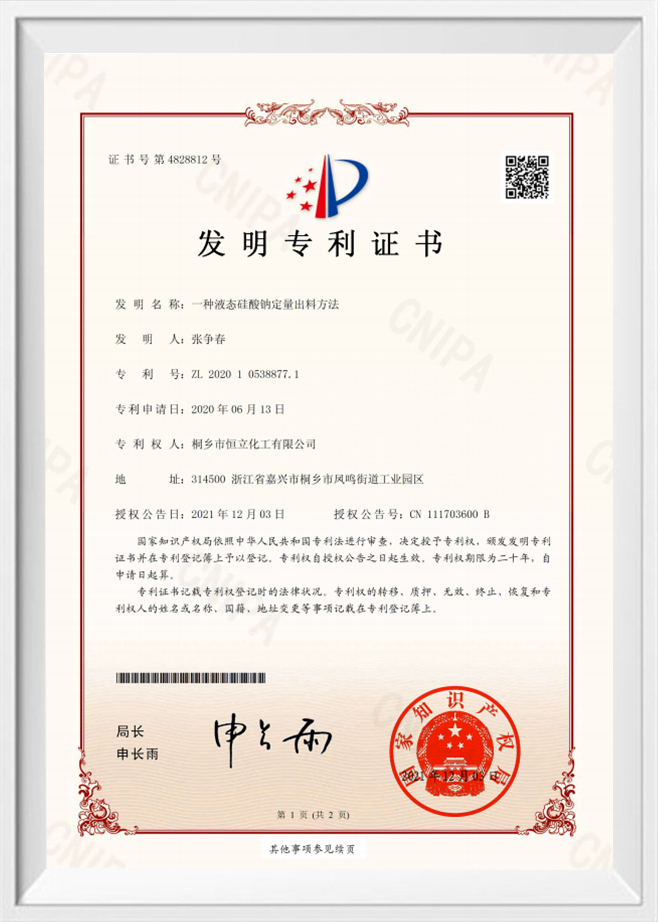
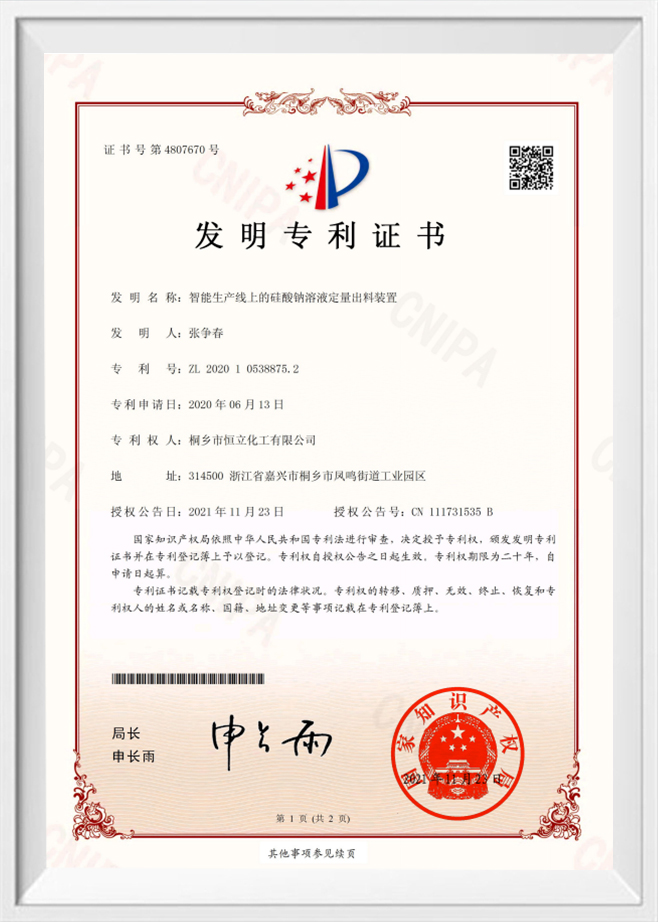
The company has multiple modern production workshops equipped with advanced automated production equipment and precision testing instruments, with an annual output of more than 200,000 tons of various inorganic silicate products. Its product varieties are rich and diverse, covering more than 30 varieties such as sodium silicate, potassium silicate, lithium silicate, silica sol, potassium methyl silicate, inorganic high temperature resistant adhesives, etc., which are widely used in electronics, clothing, papermaking, agriculture, water-based coatings, sand casting, precision casting, refractory materials and other fields. In the production process of potassium methyl silicate, Tongxiang Hengli Chemical Co., Ltd. has established a strict quality control system. From raw material procurement to product delivery, each link undergoes multiple testing procedures. The company has a professional technical R&D team, which continuously invests in R&D resources, optimizes production processes, and improves product quality and performance. With stable and reliable product quality and high-quality after-sales service, the company's potassium methyl silicate products not only occupy an important share in the domestic market, but are also exported to many countries and regions such as Europe, America, and Southeast Asia, providing strong support for the global building waterproofing industry.